From the term's CVP report
Masquerade: four houses, four plays
Students wrote, designed and staged their own plays, turning Vraja into a theatre from 23 to 26 November.
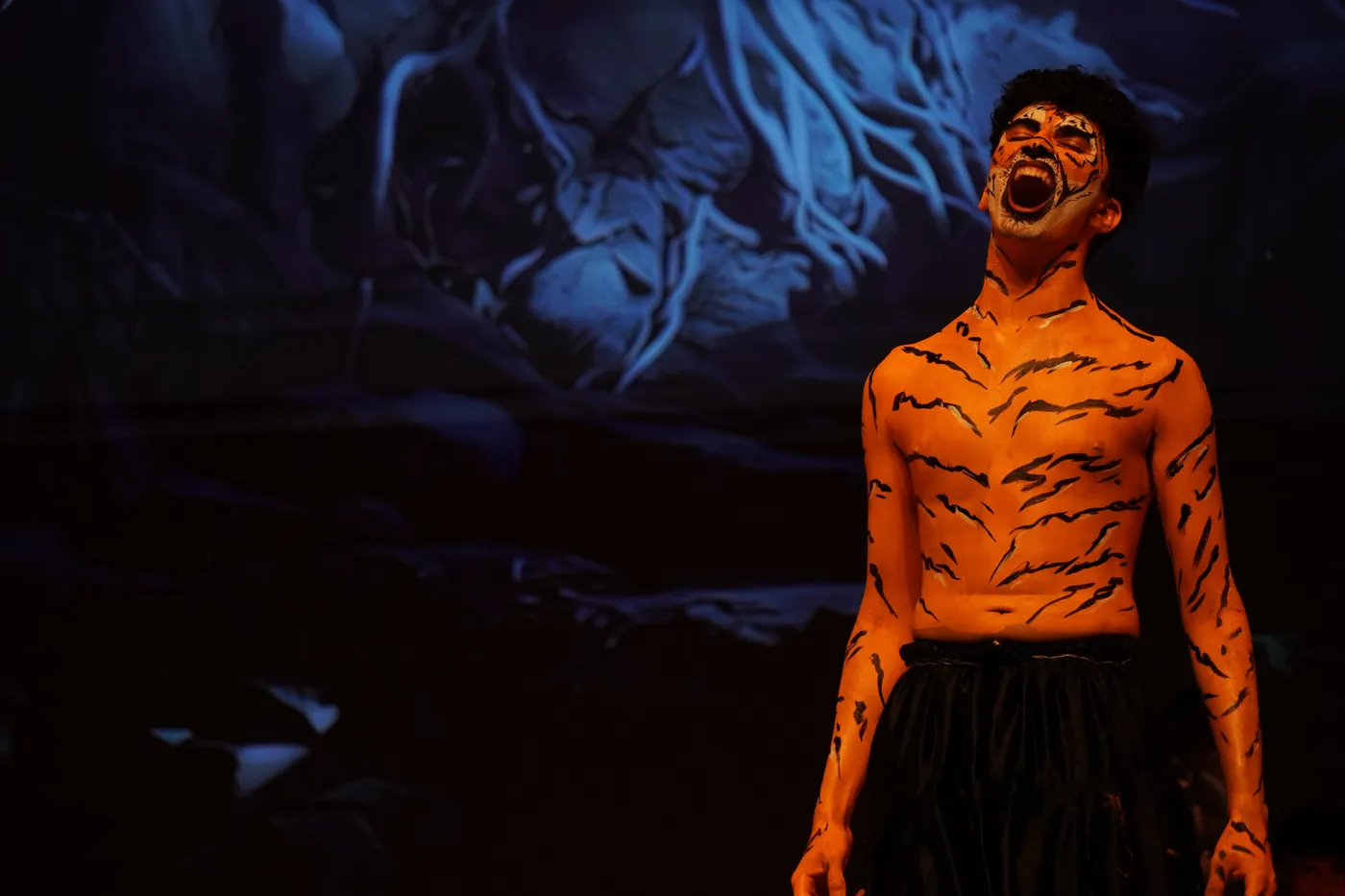
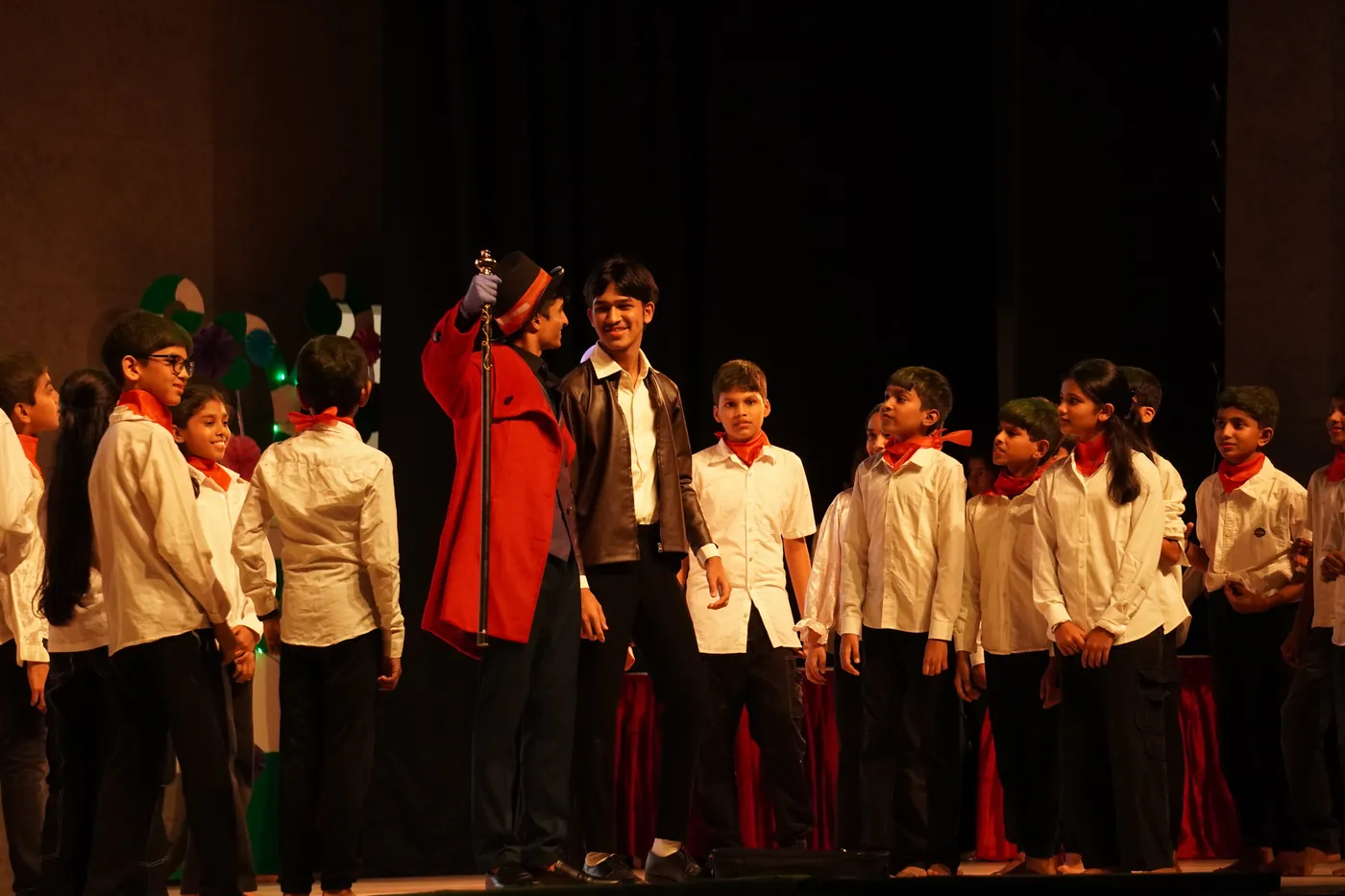
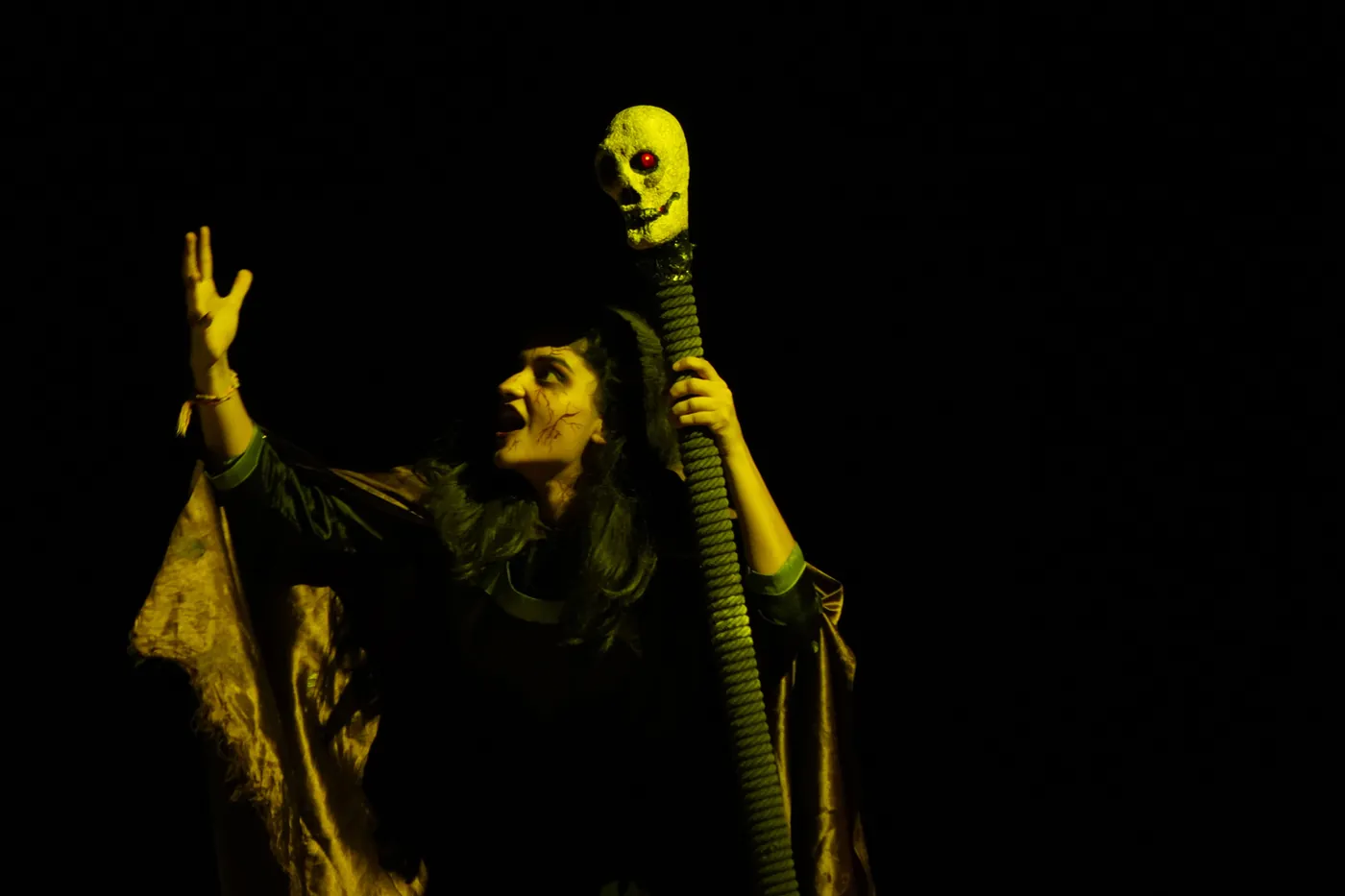
From 23 to 26 November 2025, Vraja became a theatre. Each of the four houses presented a play at Masquerade, and the students took responsibility for every part of the production: brainstorming the idea, scripting the scenes, designing the costumes, preparing the backdrops and organising the stage. Their work culminated in a one-hour theatrical showcase.
The plays
The four productions explored human emotion, relationships, sacrifice, courage and self-discovery. El Diablo portrayed fear, guilt, regret and temptation through a mysterious mask that manipulates hidden pain. Vantara followed Mowgli's dangerous journey through betrayal, sacrifice and courage as he fought to restore peace to the jungle. Ivysherin unfolded the secrets of a town trapped under the power of music, and Melora told a story of love, family, sacrifice and the true meaning of happiness.
What it set out to do
The school's aim was for students to understand the elements of theatre, from storytelling and character to stage production; to grow in empathy, confidence and teamwork; and to learn by scripting, designing, acting and organising a performance together.
What it achieved
The report records that the productions built students' confidence, communication and leadership, and gave them practice in collaborating on a large piece of work. The plays asked the audience, and the casts, to reflect on moral choices, relationships and inner strength, and the preparation drew on creativity, artistic expression and critical thinking.