
The Crossroads Issue 33
Log Kya Kahenge?
Why is she always required to justify herself?
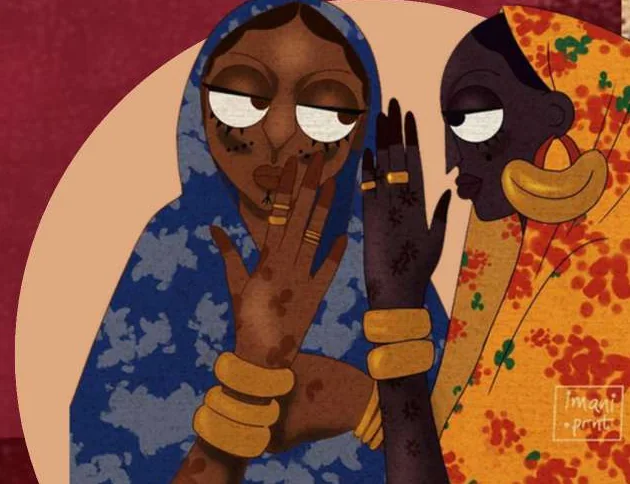
In this generation, I consider myself and all the other girls living in CIRS very privileged to belong to families that gave us exposure to so many skills and put us on the path towards becoming the independent women we have always dreamed of being one day. However, if you look outside the campus, you would find so many other girls who would give anything to study in a more nurturing environment but are stopped - why? Not always because of financial constraints, and not always because the personal beliefs of their parents prohibit it. They are stopped because of what society will think of them, because of the opinions of others, because society can spread words that may bring “disrespect” to the girl’s family. Why are so many of us taught to think about a so-called “reputation” that lies in the hands of a destructive society rather than in our own aspirations and goals, which are the actual roots of our reputation? Why do we have to guard an “honor” that isn’t even really ours?
In many of the harassment or assault cases that we encounter on the news today, a similar pattern can be spotted where the family of the victim rarely approaches authorities to file complaints or take action against the accused because they think that their family’s “reputation” will be spoiled.
Though society itself cannot be altered overnight, we can change our own mindsets first. The decisions we make about our lifestyles, careers, and aspirations shouldn’t depend on how society will perceive them. Society will always have negative or positive opinions about everything we do, we have to learn how to control our decisions based on our circumstances and not based on the perception of others. So how do we begin to take that power back? It’s simple: Why do we worship goddesses like Maa Durga or Maa Kali? Because they are fierce, unrestrained, and answer to no one. If society reveres them for exactly those qualities, it must learn to accept its own daughters being independent and unapologetic in the same way. We must stop raising girls to be adjusting and quiet in the face of questions and instead let them explore every opportunity to achieve their own goals and express their ideas confidently.
This change starts at home. Parents and siblings should ask for a girl’s opinion in even the smallest family decisions, so she learns early on that her voice carries weight. When a girl feels seen and respected within her own home, she builds the confidence to speak up in the world outside it, without constantly asking herself, “What will society think of me?” More importantly, she stops having to defend herself every time society questions her, because society’s opinion shouldn’t matter as long as she knows her path and her actions align with her own values.
Ultimately, we shouldn’t be required to guard an “honor” that was never ours to begin with. On the contrary, we must ensure that we are internally satisfied with our decisions and actions rather than pleasing a stifling society with them. The only “honor” we must guard is our own.